Building the Ideal Made-to-Order Fruit and Vegetable Boxes: A Methodical Tutorial
Constructing custom produce boxes requires a strategic approach. Specialists must assess sustainability, practicality, and aesthetics. Picking the appropriate materials is crucial for preserving freshness and supporting eco-friendly practices. Moreover, dimensions and shape can significantly impact usability and transport efficiency. Effective visual elements enhance company recognition, while comprehensive testing ensures strength. Understanding these components will uncover vital insights into creating standout container approaches that resonate to customers. What comes next is fundamental to achieving those targets.
Choosing the Right Materials for Custom Produce Boxes
When selecting materials for custom produce boxes, it is vital to evaluate both functionality and sustainability. The selection of material substantially shapes the box's wear resistance, weight, and capacity to defend the contents. Common materials comprise corrugated cardboard, which offers strength and is able to be reused, making it a favored choice for eco-conscious businesses. Biodegradable options, such as molded pulp or plant-based plastics, also correspond with sustainable practices while providing ample protection for delicate produce.
In addition, moisture resistance is indispensable for sustaining product quality, prompting some creators to explore conditioned compounds or tailored protective barriers. The aesthetic appeal of the box should not be overlooked, as brand identity and visual communication can sway consumer perception. Ultimately, the optimal choice should maintain proportion between safeguarding products, drawing in buyers, and following ecological standards, ensuring both functionality and sustainability are prioritized in the planning phase.
How to Find the Right Size and Shape for Practical Application?
When deciding on the size and shape of custom produce boxes, careful assessment of produce dimensions is essential for proper storage. Additionally, attention to movement and transportation can affect the box structure, ensuring ease of movement. Optimizing shelf space usage further improves functionality, allowing for effective presentation and organization.
Review Produce Dimensions Carefully
Determining the proper proportions for produce boxes is important for functionality and efficiency. Thorough assessment of produce measurements is necessary, as it confirms that items fit tightly without unnecessary space that might create damage during warehousing and delivery. Made-to-order containers need to support multiple shapes, from soft berries to large vegetables, while maintaining robustness. Additionally, the height and width of the boxes should support proper layering and inventory control, optimizing space in warehouse spaces. A expertly crafted container not only protects the produce but also boosts consumer appeal for end customers. Ultimately, meticulous planning of dimensions supports minimizing waste and enriching supply chain experience in the logistics network.
Think About Overseeing Handling and Transport
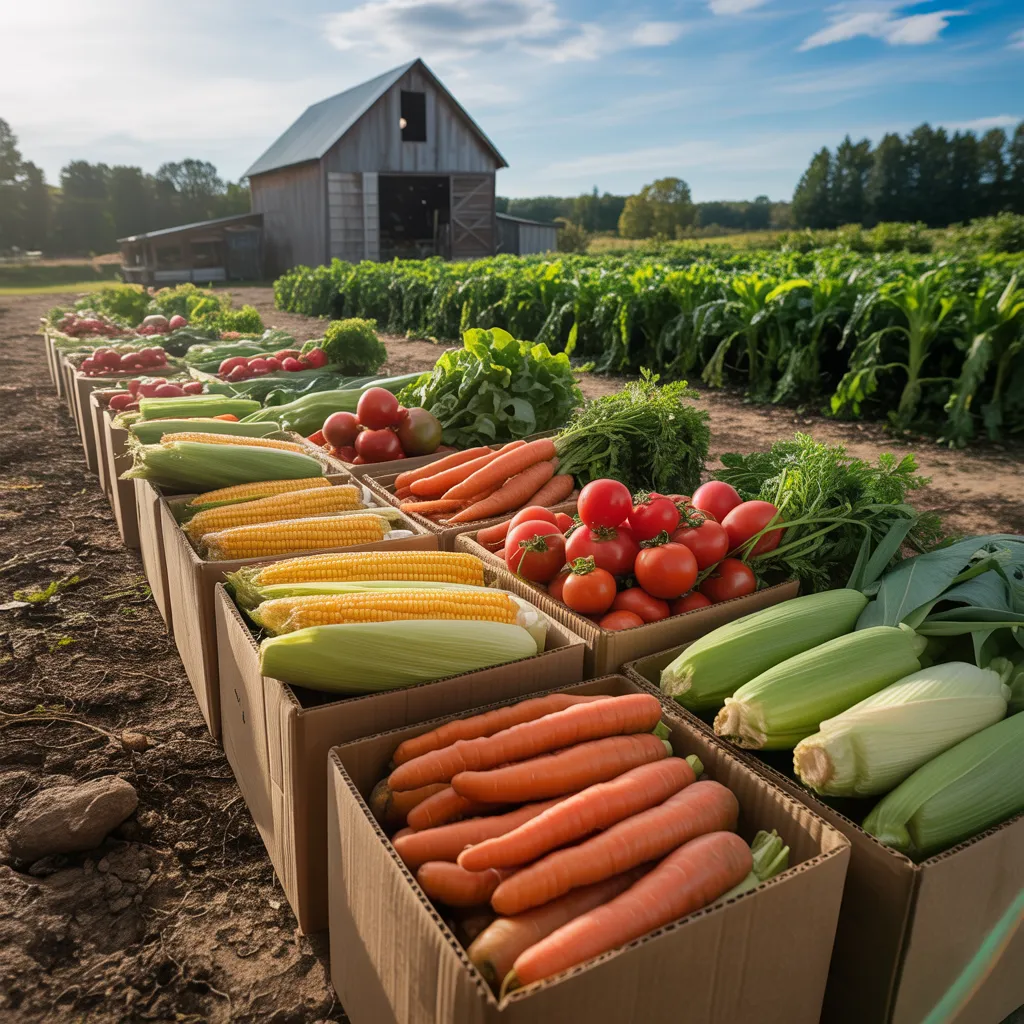
Handling and delivery considerations have a significant role in defining the right dimensions and configuration of bespoke produce boxes. The measurements must accommodate the items with no unneeded area, that might cause shifting and harm in transit. Smaller, compact boxes facilitate easier management, while larger boxes might be essential for bulkier items. Additionally, ergonomic design is essential; handles or openings should be strategically situated in order to enable easy lifting plus carrying. The form relating to the container equally affects arrangement with stability, guaranteeing which products remain intact. Ultimately, thorough thought regarding such components strengthens the efficiency of shipping, decreases product loss, and supports the overall integrity of the produce from farm to buyer.
Maximize Shelf Space Usage
Smart storage space management is based on determining the fitting size and shape of purpose-built storage containers. Specialists should take into account the dimensions of the shelving units as well as the sorts of produce being held. Rectangular boxes often strengthen space efficiency, permitting for easier stacking and alignment. By contrast, nonstandard shapes can amplify visual appeal but may result in unutilized gaps if not thoroughly considered.
It's vital to review the product rotation speed; fast-selling items might gain from compact, readily accessible boxes. In addition, utilizing flexible or customizable designs can facilitate various dimensions of merchandise while enhancing display organization. By focusing on functionality and aesthetic value, organizations can construct a practical and eye-catching presentation that strengthens both ease of access and product prominence.
How to Design Graphics That Capture Interest?
Impactful designs can transform a modest custom produce box into a remarkable display that captures attention. To succeed this, creative professionals should start by choosing a color palette that mirrors the vitality and vibrancy of the produce. Bright, visually striking colors can evoke feelings of guide freshness and health, driving consumers to take a extended glance.
Strong typography is also essential; clear and legible fonts can properly convey crucial details while strengthening aesthetic charm. Additionally, leveraging excellent photographs of the produce can build instant rapport, presenting the product's quality and motivating potential buyers.
Furthermore, adding original designs and artwork can help differentiate the brand in a crowded market. Consistency in design elements, such as logos and taglines, bolsters brand identity. Ultimately, a combination of creativity and clarity in visual design can greatly elevate the significance of custom produce boxes, making them stand out on shelves.
Environmentally Responsible Practices for Custom Produce Box Containers
A expanding volume of enterprises are embracing green practices for custom produce box packaging, recognizing its importance in today's sustainability-focused market. These initiatives often feature the use of biodegradable materials, such as recycled paper and plant-based plastics, which decrease environmental impact. Companies are also focusing on sustainable sourcing, ensuring that materials are obtained from responsibly managed forests or suppliers who support environmental stewardship.
Additionally, many brands are choosing simple designs that decrease waste while still successfully showcasing their products. This approach not only attracts eco-conscious consumers but also helps in lowering production costs. Moreover, businesses are progressively implementing streamlined manufacturing processes that restrict energy consumption and waste generation. By incorporating these sustainable practices, companies not only improve their brand image but also contribute positively to the planet, aligning their operations with a sustainable future.
Inspect Your Tailored Produce Box Structure
Evaluating the structure of custom produce boxes is a vital step in confirming they fulfill both visual and operational requirements. This method generally involves reviewing factors like resilience, scale, and ease of use. First, test versions should be built to evaluate the container's build quality, confirming it can withstand transportation and storage without harming the contents.
Following this, usability assessments can be executed to measure how smoothly the boxes can be unfastened, fastened, and stacked. Suggestions from prospective users can be essential in this period, sharing knowledge of the box's usefulness.
Furthermore, the aesthetic quality of the design should be tested through consumer testing panels or questionnaires, gauging customer responses to branding elements, color schemes, and overall presentation.
In the end, rigorous testing permits designers to improve the box, ensuring it not only appeals to customers but also effectively safeguards and showcases the produce within, striking the right equilibrium between form and function.
Effectively Promoting Your Custom Produce Boxes
Effective advertising of custom vegetable containers requires a strategic approach that stresses their unique features and benefits. Businesses should focus on identifying their target audience, whether they are local farms, grocery stores, or individual consumers. Harnessing social networking sites can amplify brand awareness, showcasing the boxes' design and practicality through engaging visuals and storytelling.
In addition, joining forces with regional personalities and growers can reinforce credibility and amplify reach. Launching bargains or markdown offers during seasonal peaks can appeal to debut customers and inspire repeat business.
Additionally, highlighting environmental responsibility and green practices in marketing materials can appeal to environmentally conscious consumers. Providing detailed information about the materials used and the benefits of custom packaging can better distinguish the product in a crowded marketplace.
Ultimately, a thorough promotional plan that combines online and local community efforts will effectively promote custom produce boxes, attracting a diverse clientele and driving sales.
Frequently Requested Questions
What Are the Costs Associated With Custom Produce Box Design?
Costs associated with custom produce box design include raw materials, printing, workforce expenses, and delivery. Additionally, design services and minimum order quantities can influence overall costs, leading to varying pricing based on particular needs and production scale.
What Duration Is Needed to Make Tailored Boxes?
Creating bespoke boxes normally spans two to six weeks in production. Various factors that influence this duration include design intricacy, material availability, and manufacturing capability, each of which may influence shipping schedules and turnaround times.
Can I Order a Limited Amount of Custom Produce Boxes?
Yes, modest quantities of made-to-order produce boxes can usually be secured. Many suppliers deliver minimum order quantities, making it possible for businesses or individuals to get customized packaging solutions without having to commit to large quantities to start.
Which Typical Missteps Need Avoiding in Tailored Box Development?
Common mistakes in custom box creation include overlooking functionality, ignoring brand consistency, undervaluing material quality, not considering target audience preferences, and disregarding environmental impact. Each aspect is crucial for successful packaging and customer satisfaction.
How Can I Confirm My Boxes Comply with Food Safety?
To confirm boxes are food-safe, one needs to select substances certified for food contact, avoid harmful inks and adhesives, maintain cleanliness during production, and periodically assess for compliance with health regulations and safety standards.